
Byadmin
Why Upgrading Your Blister Card Sealing Machine Matters for Production Success
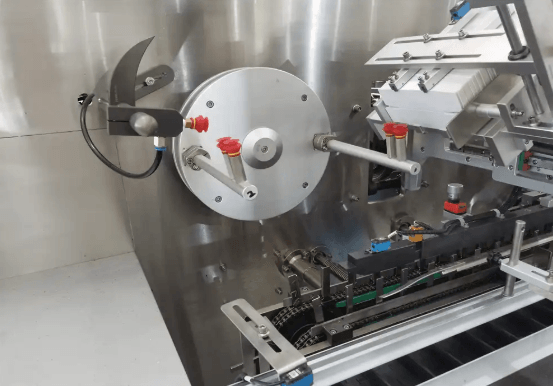
In fast-paced manufacturing, product packaging serves as the bridge between your factory floor and the end customer. Whether you are producing hardware components, cosmetic items, stationery, or pharmaceuticals, the final presentation dictates both product safety and shelf impact. Among all visual packaging methods, blister card packaging remains a preferred choice globally. Achieving a clean, durable, and professional seal consistently comes down to one key factor: the reliability of your blister card sealing machine.
The Role of Precision Thermal Sealing
Blister card packaging combines a custom-formed plastic cavity—typically PVC, PET, or eco-friendly alternatives—with a printed paperboard backing treated with a heat-sensitive adhesive. The sealing process relies on three critical variables: temperature, pressure, and dwell time.
When a blister card sealing machine operates with high precision, it applies exact thermal energy and uniform pressure across the card’s surface. This melts the adhesive coating evenly without warping the plastic cavity or scorching the paperboard. The result is a seamless, tight bond that protects the product inside from moisture, dust, and handling wear while giving consumers an unobstructed view of what they are purchasing.
Core Advantages for Growing Businesses
Upgrading to a dedicated sealing unit brings several practical advantages to your daily operations:
- Tamper-Evident Security: Once heat-sealed, the package cannot be opened without visibly tearing the paperboard backing. This provides instant tamper evidence, giving retailers and consumers confidence in product integrity.
- Higher Production Throughput: Moving away from manual or legacy sealing methods reduces cycle times significantly. Modern rotary or shuttle sealing systems allow operators to load, seal, and unload products rapidly, driving up daily output.
- Reduced Material Waste: Inconsistent heat application leads to rejected packages, wasted karton cards, and damaged plastic bubbles. Precise digital controls lower scrap rates and keep unit costs predictable.
- Enhanced Shelf Appeal: A crisp seal ensures your product sits flat on retail pegs or shelves, maximizing brand visibility and driving purchasing decisions.
Choosing the Right Machine Setup
When selecting sealing equipment for your line, consider your current output needs and future scalability. Rotary table machines are ideal for small-to-medium operations, allowing continuous manual loading while automated heat-sealing takes place on an indexing plate. For high-volume industrial facilities, continuous inline packaging machines automate the entire workflow from thermoforming to final sealing and ejection.
Equally important is tooling flexibility. Opting for machinery with quick-change molds lets your team switch between different product lines with minimal downtime, keeping your facility adaptable to changing market demands.
Final Thoughts
Your packaging equipment is just as vital as your product manufacturing line. Investing in a durable blister card sealing machine ensures your items leave the facility protected, visually appealing, and ready for immediate retail display.
To explore dependable packaging machinery tailored to your specific product requirements, visit blister card packing machine and discover how to optimize your output today.
